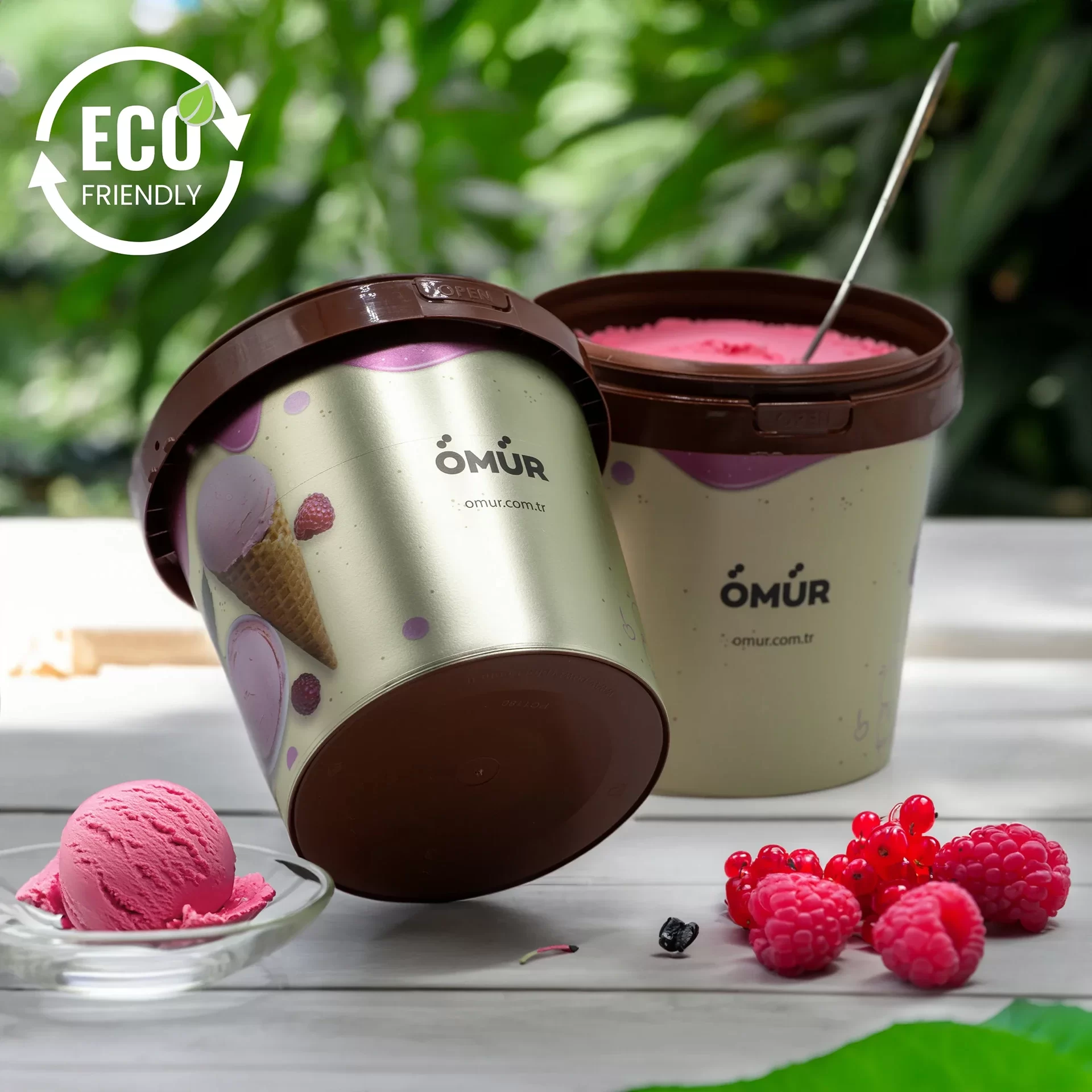
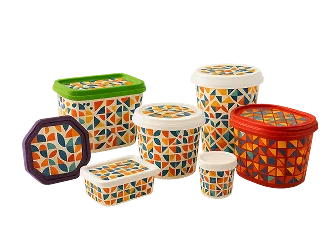

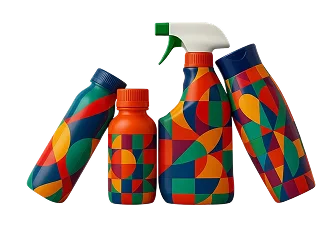

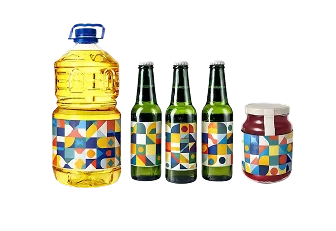

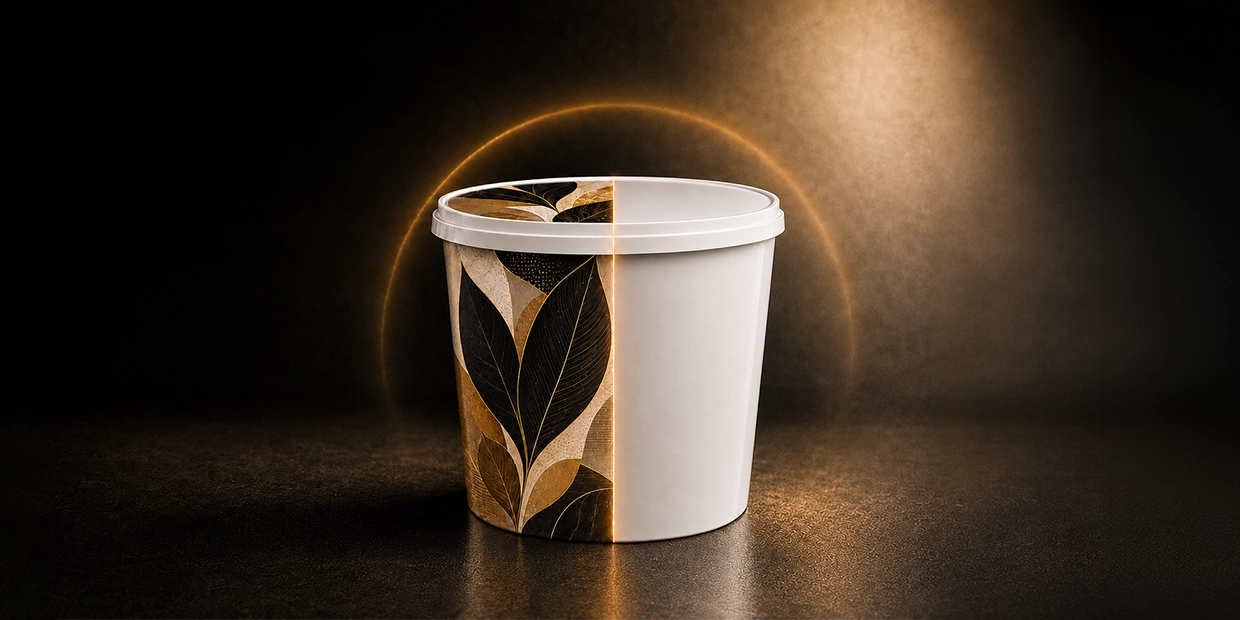
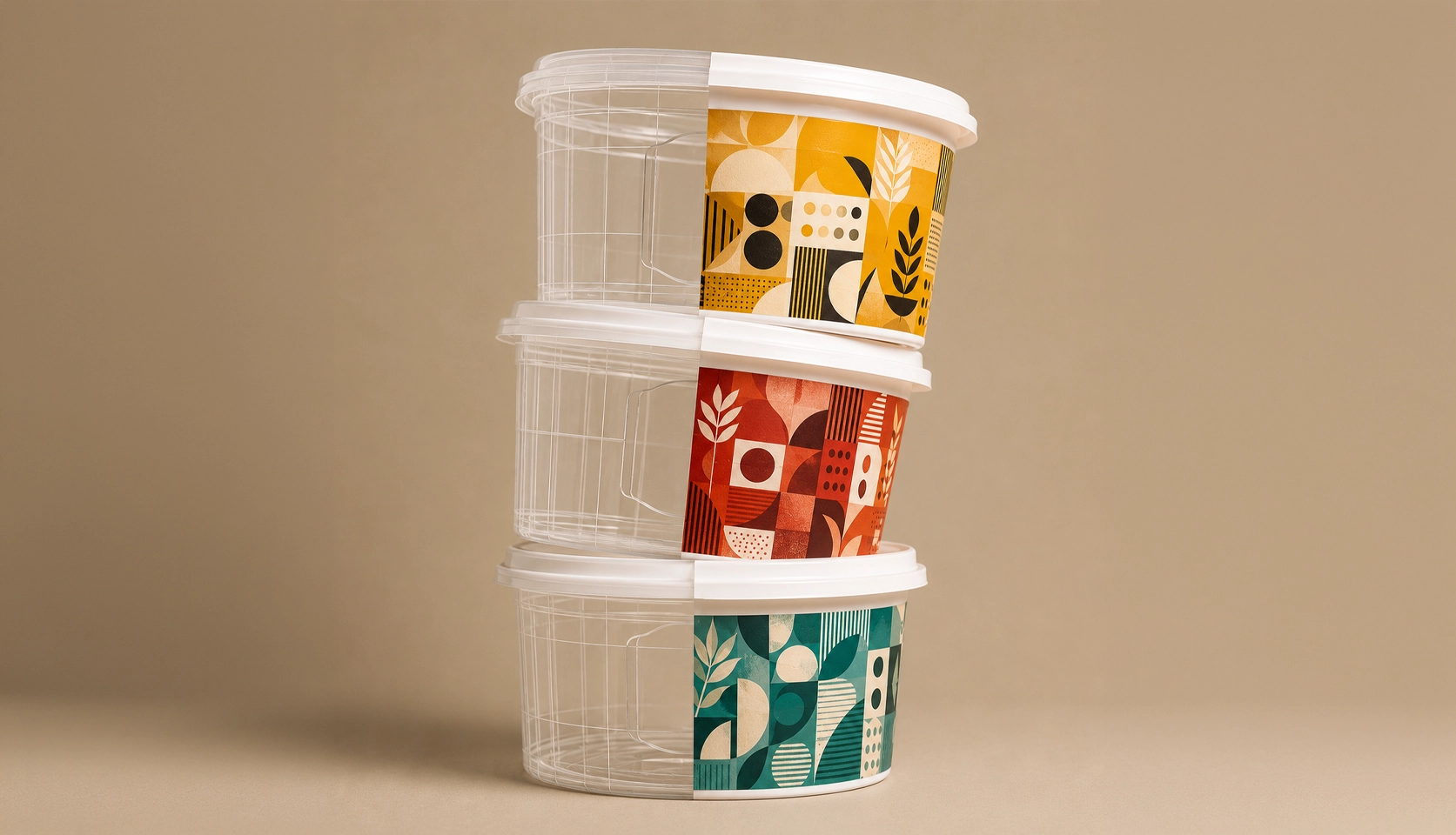
In traditional labeling applications, the label is applied to the surface after the packaging has been produced. In the IML method, however, the label is integrated into the packaging during the production process.
The pre-printed label is placed inside the mold. During the forming of the plastic product, the label becomes integrated with the packaging. As a result, the label becomes part of the packaging structure rather than a separate component added afterward.
IML is not merely a printing decision.
For a successful IML project, printing, label material, mold design, and packaging geometry must be evaluated together.
At the beginning of the project, the following questions should be addressed:
- What are the shape and dimensions of the packaging?
- Which area of the packaging will the label cover?
- Is the label material compatible with the production process?
- Has the design been prepared according to the actual form of the packaging?
- How will the label be positioned inside the mold?
Design and production should be planned together.
A design that appears correct on screen may look different on the physical product due to the curves of the packaging and production tolerances. Text, barcodes, and key visual elements should be positioned according to the geometry of the packaging.
Therefore, in an IML project, the design process should not proceed independently of production preparation.

Information Required for a Successful Start
Before an IML project begins, the packaging technical drawing, mold specifications, label area, and production conditions should be provided.
In IML, the final result is determined not only by print quality, but also by the compatibility between the label, the packaging, and the production process.