




Why Do Surface Type and Usage Conditions Matter When Selecting Self-Adhesive Labels?
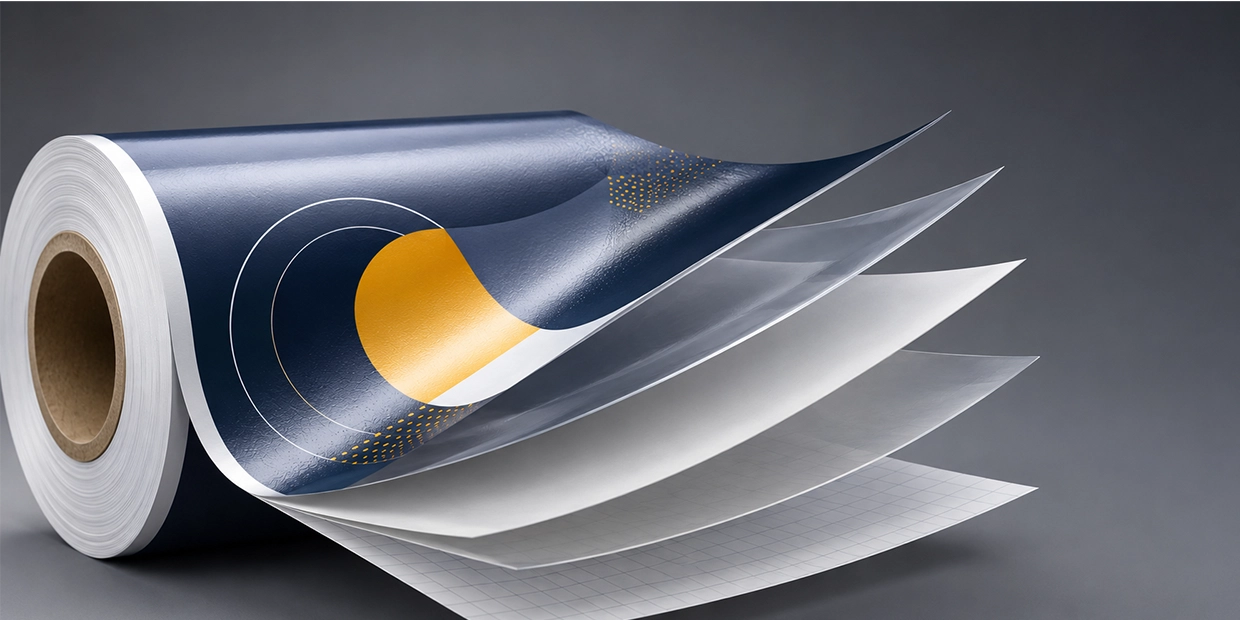
When selecting self-adhesive labels, design, color, and material appearance are often evaluated first. However, the first factor that determines the actual performance of the label is the surface to which it will be applied.
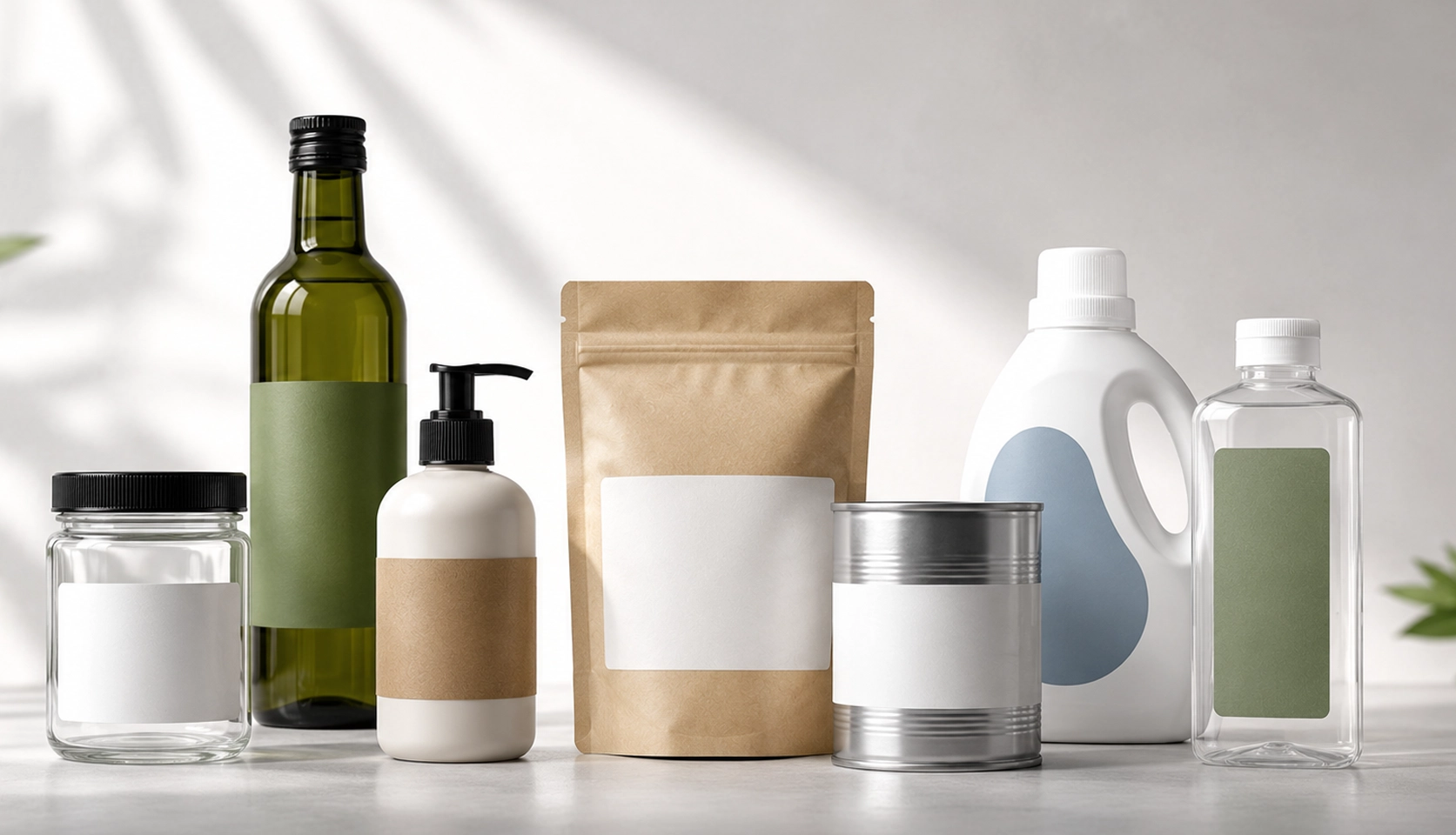
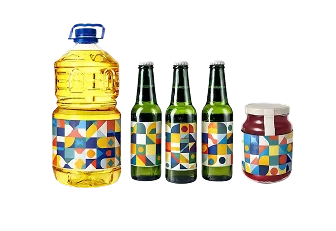
Glass, plastic, metal, and cardboard surfaces do not have the same characteristics. Whether the surface is flat, curved, rough, or damp can also affect the behavior of the label. Therefore, a label construction that performs well on one surface may not exhibit the same performance on a different type of packaging.
The usage environment influences the selection
A label must perform its function not only at the time of application but throughout the product's entire service life.
The following conditions should be evaluated at the beginning of the project:
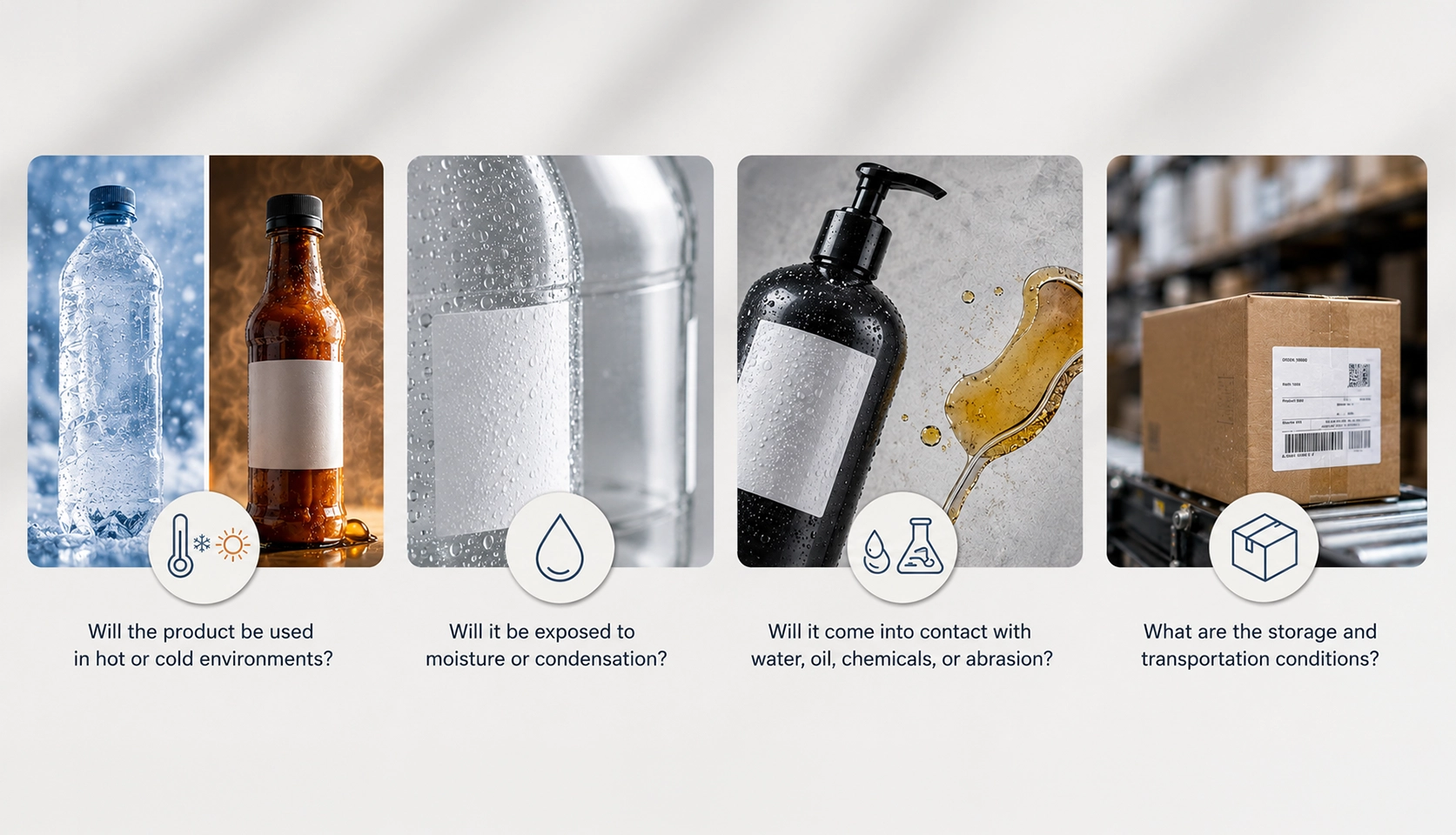
This information helps ensure the correct selection of surface materials and adhesives.
The application method is also part of the project
Whether the label is applied manually or automatically can influence decisions such as label dimensions, roll configuration, and application tolerances. For automated production lines, factors such as production speed, package positioning, and the surface conditions at the time of application should also be taken into account.
Four Key Pieces of Information Before Starting the Project
To determine the correct label construction, it is important to provide the following four pieces of information
- Packaging Surface
- Product Use Environment
- Label Application Method
- Required Label Durability